Cycling & Cross-Training
Is Cycling Enough? Why Your Body Needs Strength & Mobility Too
Understanding how cycling, strength training, and mobility work together to build a stronger, more balanced body.
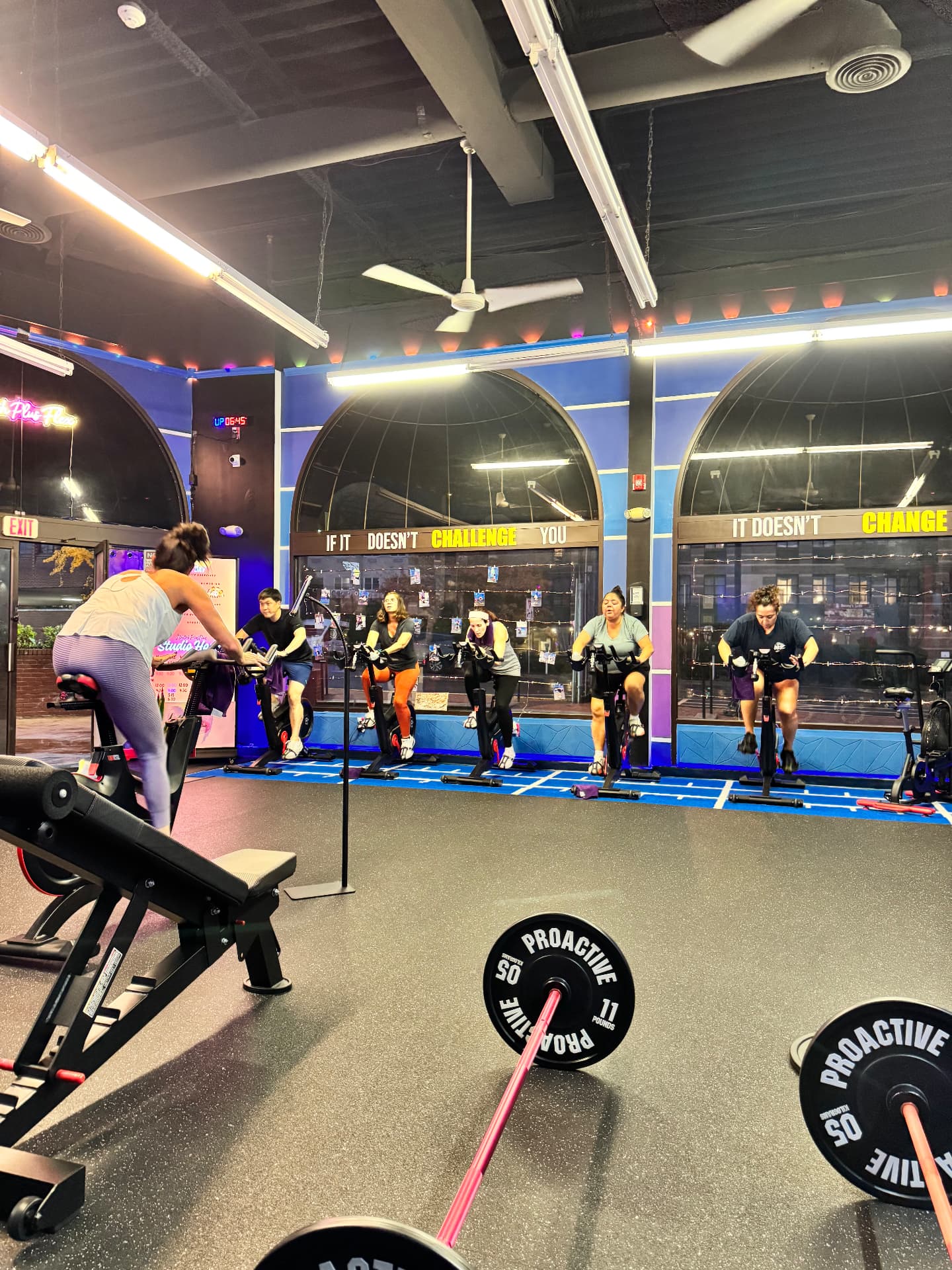
Have you ever finished a cycling workout feeling energized, accomplished, and completely exhausted?
Cycling is an incredible form of exercise. It challenges your endurance, gets your heart pumping, and strengthens the muscles of your lower body.
But here's something I want you to think about: is cycling alone giving your body everything it needs?
As a coach, I believe in looking at the bigger picture. Fitness isn't just about how much you sweat or how many calories you burn. It's about building a body that is strong, mobile, and capable of moving well throughout everyday life.
That's why I believe cycling, strength training, and mobility complement one another so well.
1. What Does Cycling Actually Do for Your Body?
Indoor cycling is primarily a cardiovascular exercise, meaning it challenges your heart, lungs, and endurance.
During a ride, your quadriceps, hamstrings, glutes, and calves work repeatedly to keep the pedals moving.
Over time, regular cycling can help improve cardiovascular fitness, muscular endurance, and stamina.
Another benefit is that cycling is relatively low impact compared with activities like running, making it an appealing option for people who prefer exercise with less impact on their joints.
But here's the important part: cycling builds endurance, but it doesn't replace the benefits of a complete strength-training program.
2. Why Is Strength Training Important If You Already Cycle?
Think about what happens when you're cycling. Your body repeats a similar movement pattern over and over again.
While that movement challenges certain muscle groups, your body also needs strength in areas that cycling doesn't train as directly.
Strength training allows us to work on:
- Upper-body strength: developing the muscles of the shoulders, back, chest, and arms.
- Core stability: supporting posture, balance, and control.
- Functional strength: building strength for movements such as lifting, carrying, pushing, and pulling.
- Muscular balance: training different muscle groups through a variety of movement patterns.
- Bone health: weight-bearing and resistance exercises help support bone strength.
This is why I always emphasize the importance of building strength beyond one type of exercise.
A strong body isn't just one that can keep moving. It's one that can handle different types of movement.
3. Why Do Your Hips and Legs Sometimes Feel Tight After Cycling?
If you've ever stepped off a bike and noticed stiffness in your hips or legs, you're not alone.
Cycling involves repeated hip and knee movements while your body remains in a relatively fixed position. Your hip flexors, quadriceps, calves, and surrounding muscles are working throughout the ride.
After prolonged activity, some people may experience temporary muscle tightness or stiffness.
However, tightness doesn't always mean a muscle is physically shortened. Sometimes the sensation can be related to fatigue, training load, limited movement variety, or how your body responds to exercise.
That's why I encourage people to think beyond simply stretching the area that feels tight.
I also want to work on strength, controlled range of motion, and overall movement quality.
4. What Is the Difference Between Flexibility and Mobility?
This is something I discuss often at Stretch Plus Flex. Although flexibility and mobility are closely related, they aren't exactly the same.
Flexibility refers to the ability of muscles and other tissues to lengthen enough to allow movement.
Mobility refers to your ability to move a joint through its available range of motion with control.
For example, you might be able to stretch your hamstrings while sitting on the floor, but that doesn't necessarily mean you have the same control when bending, squatting, or performing other movements.
That's why I incorporate mobility exercises alongside traditional stretching. My goal is not simply to help you feel a stretch — I want you to develop movement you can actually use.
5. Why Should Mobility Be Part of Your Cycling Routine?
Cycling is excellent for repetitive lower-body movement, but it doesn't take your hips, ankles, spine, and shoulders through all their possible movement patterns.
Mobility training provides an opportunity to explore controlled movements beyond the cycling position. Depending on your individual needs, this might include:
- Hip mobility exercises.
- Controlled spinal rotation.
- Ankle mobility movements.
- Gentle stretching for the quadriceps and calves.
- Breathing exercises and gradual cooldown movements.
Mobility work doesn't have to be complicated. Even a few intentional movements can help you develop better awareness of how your body moves.
And remember, mobility isn't just for athletes. It's important for everyday activities such as reaching, bending, walking, and getting up from a chair.
6. Is a Harder Workout Always a Better Workout?
Not necessarily. One of the biggest misconceptions in fitness is that every workout needs to leave you completely exhausted.
I love challenging my members, but I also believe in training with purpose. A successful workout isn't always measured by how tired you feel afterward.
Sometimes success means improving your technique, moving with greater control, building endurance, or recognizing when your body needs a lighter session.
The goal isn't to push harder every single day. The goal is to keep progressing over time.
7. Why I Believe in Ride • Strength • Restore
This philosophy is what makes my collaboration with Lisa from Rides & Vines so exciting.
Together, we've created Ride • Strength • Restore, an experience that brings three complementary elements of fitness into one session:
- RIDE: challenge your cardiovascular endurance through indoor cycling.
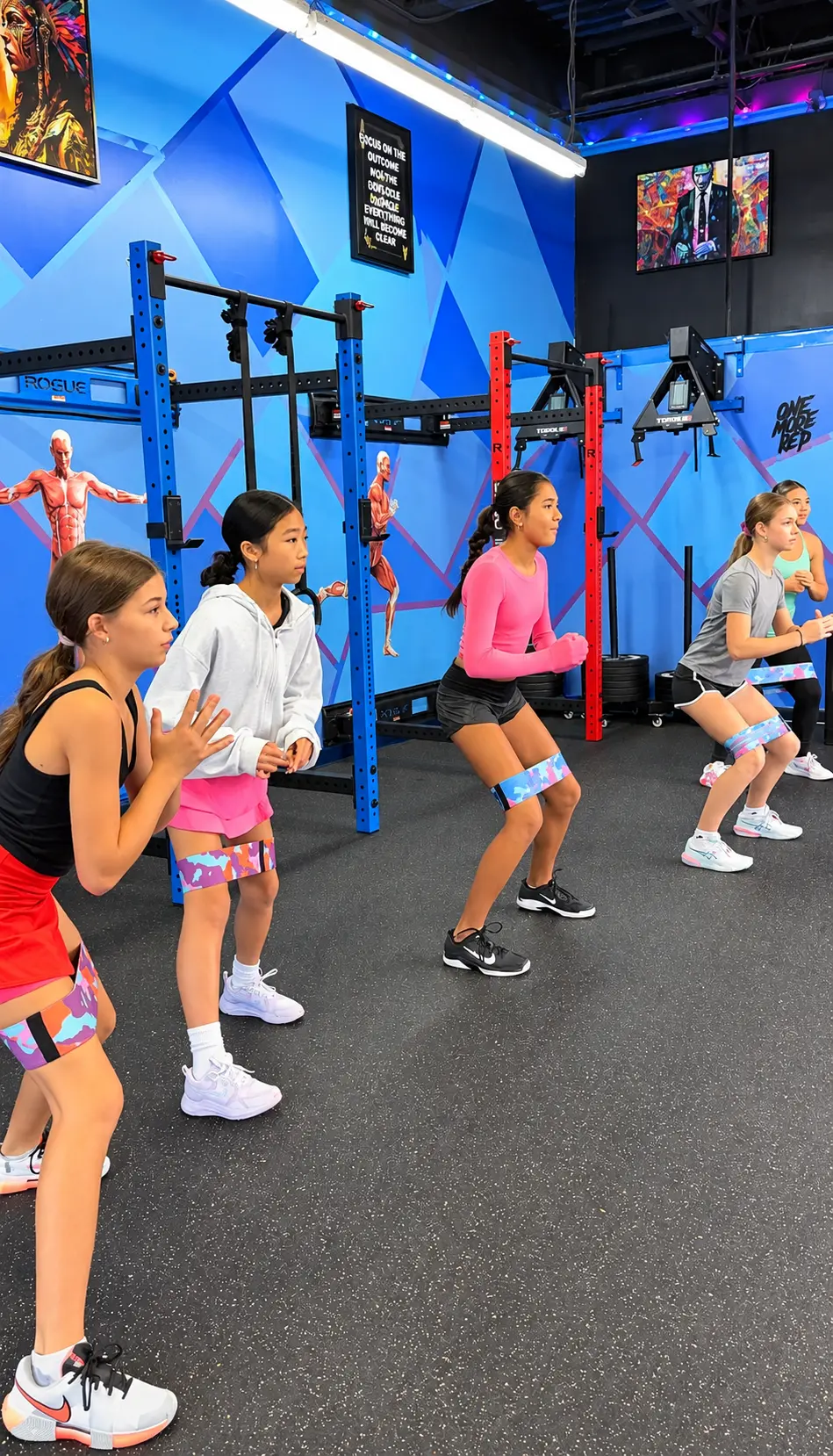
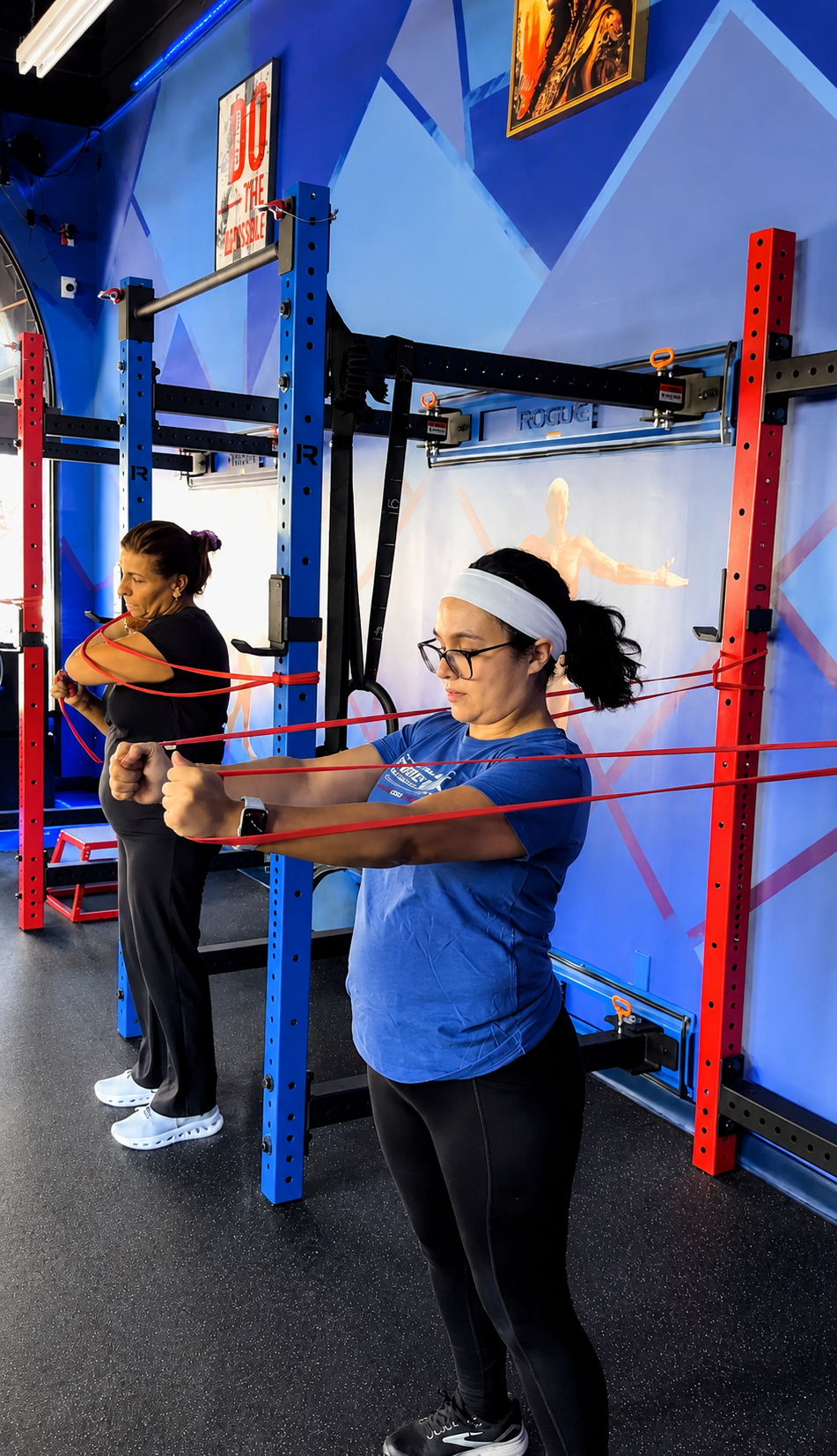
- STRENGTH: build functional strength through circuit-based training.
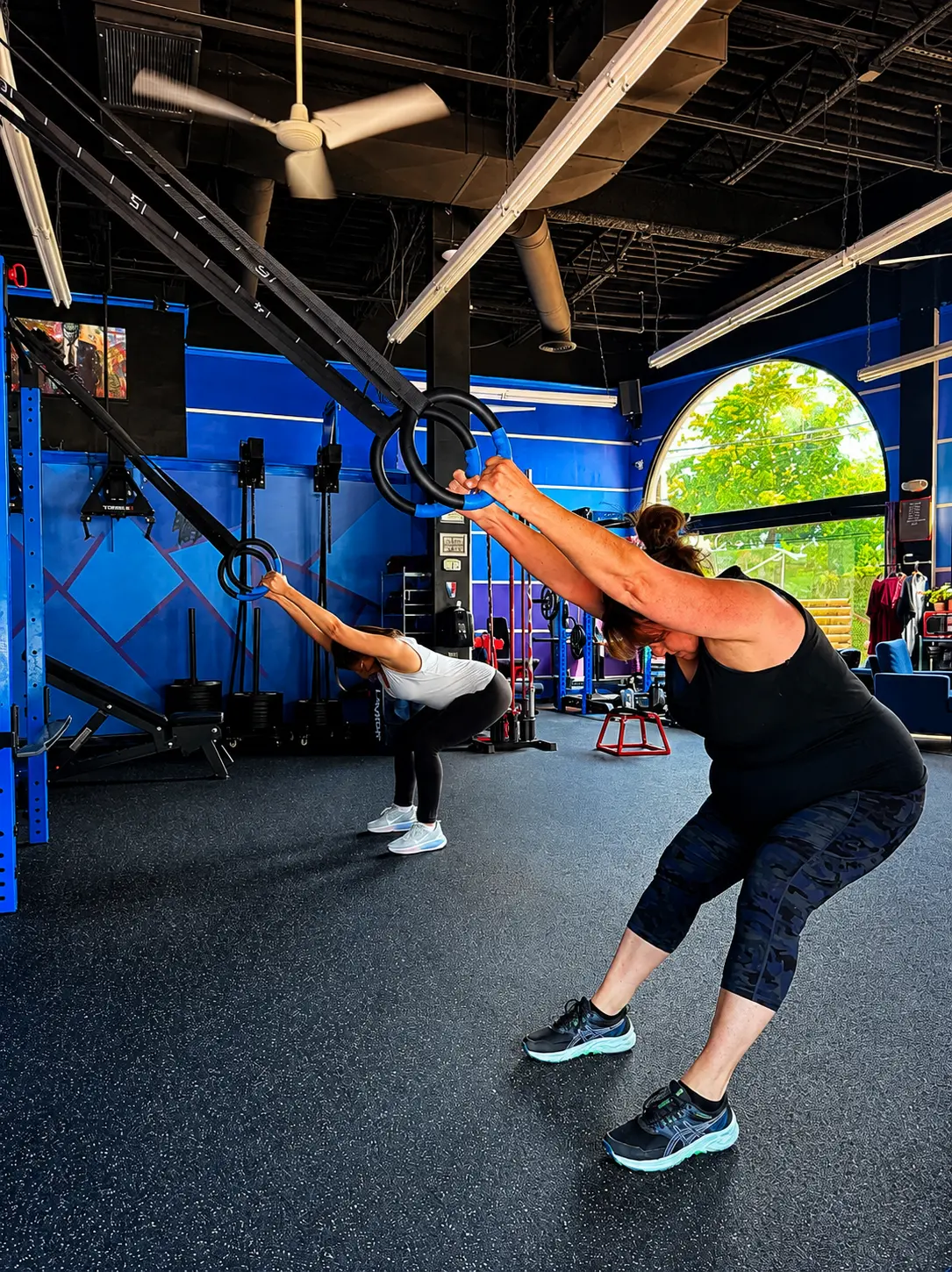
- RESTORE: finish with guided mobility and stretching to help your body transition from exercise to recovery.
Each component serves a different purpose, and together they provide a more well-rounded fitness experience.
What I love most is that participants get to challenge themselves while learning the importance of moving with intention.
Coach Roxy's Tip: Don't Just Train Hard. Train Completely.
The next time you finish a cycling workout, ask yourself: am I also making time to strengthen the rest of my body? Am I working on my mobility? Am I giving myself enough time to recover between challenging workouts?
Fitness isn't about choosing between cycling, strength, or mobility. It's about understanding how different forms of movement can work together to support your goals.
— Coach Roxy, Stretch Plus Flex
The Bottom Line
Cycling is an excellent way to build endurance and challenge your cardiovascular fitness. But a balanced fitness routine should also include resistance training, mobility, and appropriate recovery.
You don't have to do everything every day. What matters is developing a sustainable approach that supports your body over time.
At Stretch Plus Flex, that's what I want my members to understand: move with purpose, build strength with intention, and never overlook the importance of mobility.
Experience Ride • Strength • Restore
Curious about what happens when cycling, strength training, and mobility come together? Join Lisa from Rides & Vines and me for our Ride • Strength • Restore experience at Stretch Plus Flex in Great Neck Plaza.
Visit the Classes & Training page to learn more about the program and booking options.
Explore Ride. Strength. Restore.